
Architectural legacies endure as silent narrators of history, embedding cultural narratives within real estate’s enduring forms. These structures, shaped by eras of innovation and constraint, offer neutral windows into societal values, technological triumphs, and aesthetic evolutions. Broad insights reveal patterns where buildings transcend utility, becoming touchstones of identity and inspiration, preserved across generations without commercial ties.
Revival styles mark early legacies. Victorian grandeur, with ornate ironwork and steep gables, mirrored industrial prosperity and romantic ideals. Real estate from this epoch favored durability, using brick and stone to weather time. Intricate details—bay windows, turrets—evoked aspiration, turning homes into statements of status and craftsmanship. These patterns persist, influencing modern revivals that honor filigree without excess.
Progressive movements shattered conventions. Modernism’s clean lines and glass expanses championed functionality, stripping ornament for machine-age purity. Real estate legacies here emphasize open plans, flat roofs, and industrial materials, democratizing design for mass living. Le Corbusier-inspired pilots floated above ground, maximizing light and air. Insights show this shift liberated spaces from historical weight, prioritizing human scale.
Mid-century ethos blended optimism with organics. Postwar homes featured bold geometries, expansive clerestories, and seamless indoor-outdoor flows. Real estate captured leisure ideals through patios and built-ins, using plywood and concrete innovatively. Eames-era furniture complemented these, embodying accessible elegance. Legacies endure in their adaptability, retrofits breathing new life into atomic-age icons.
Postmodern playfulness reacted with eclecticism. Borrowing historical motifs whimsically—pediments on towers, vibrant hues—challenged minimalism. Real estate gained narrative depth, facades storytelling through irony and reference. Insights highlight inclusivity, embracing vernacular crafts alongside global motifs, enriching urban tapestries. These buildings invite reinterpretation, their legacies fluid yet rooted.
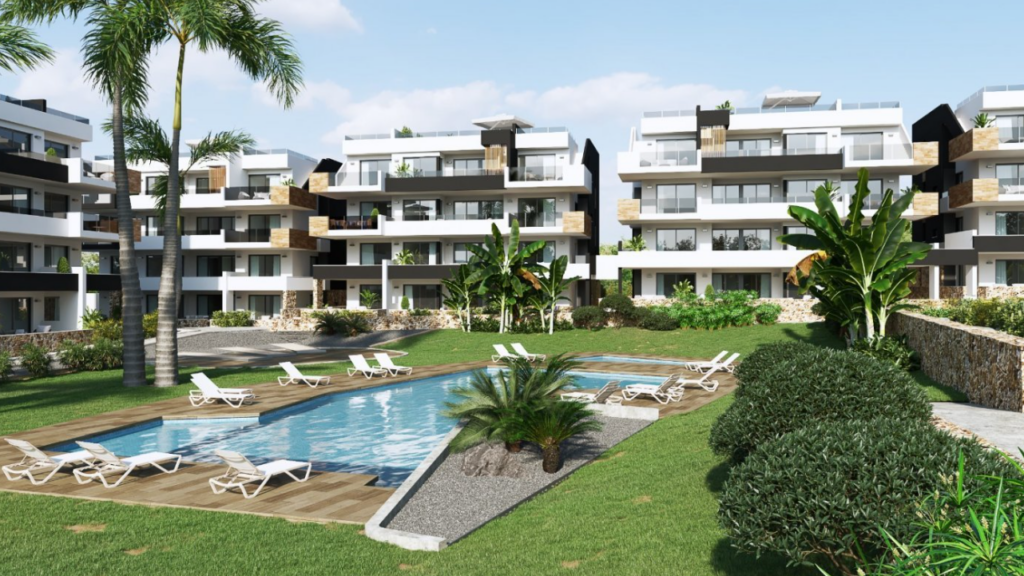
Contemporary legacies pivot to contextualism. Structures dialogue with surroundings, scaling to neighbors while nodding to heritage. Real estate employs parametric curves, smart skins, and hybrid materials, merging digital precision with tactile warmth. Sustainability infuses, with legacies now measured in carbon footprints and adaptability. Patterns foresee regenerative designs, buildings that evolve symbiotically.
Preservation unveils universal insights. Challenges like material decay demand skilled interventions—mortar matching, seismic retrofits—balancing authenticity with safety. Real estate stewards employ reversible techniques, ensuring futures honor pasts. Tax incentives and community advocacy sustain these efforts, turning liabilities into assets. Legacies thrive when valued as communal heritage.
Adaptive reuse amplifies endurance. Mills reborn as lofts retain industrial patina, factories as galleries preserve spatial drama. Real estate insights stress retaining cores—beams, vaults—while updating services. This alchemy extends lifespans, infusing contemporary vitality into historical shells. Economic and cultural wins follow, revitalizing districts organically.
Cultural legacies embed symbolism. Domes evoking eternity, arches spanning divides—these forms encode philosophies. Real estate across faiths and nations shares motifs: courtyards for communal life, minarets piercing skies. Insights foster appreciation for shared humanity, where architectures bridge divides through universal gestures.
Technological legacies evolve materials. From Roman concrete to graphene composites, innovations redefine possibilities. Real estate legacies showcase resilience—Gothic flying buttresses defying gravity, tensile membranes spanning voids. Today’s 3D-printed elements promise customization, legacies digitized for eternity. Patterns predict hybrid futures, tradition augmented by code.
Educational value permeates. Legacies teach through immersion—wandering colonnades evokes antiquity, climbing spirals sparks wonder. Real estate as pedagogy inspires architects, instilling humility before precedents. Insights urge documentation, lest irreplaceable lessons fade.
Economic legacies stabilize. Heritage zones boost tourism, preserved districts command premiums for character. Real estate markets reward authenticity, investors safeguarding irreplaceables. Insights affirm stewardship as savvy, blending profit with preservation.
Aesthetic legacies transcend time. Proportions like golden ratios yield timeless beauty, fenestration rhythms pleasing the eye. Real estate’s visual poetry endures, influencing subconscious harmony. Modern echoes—minimalist nods to classical symmetry—perpetuate this lineage.
Ultimately, architectural legacy insights illuminate real estate’s soulful dimension. Buildings as time capsules chronicle journeys, urging reverence and reinvention. By gleaning from these patterns, we honor forebears while shaping enlightened tomorrows, ensuring structures remain vibrant testaments to human endeavor.