
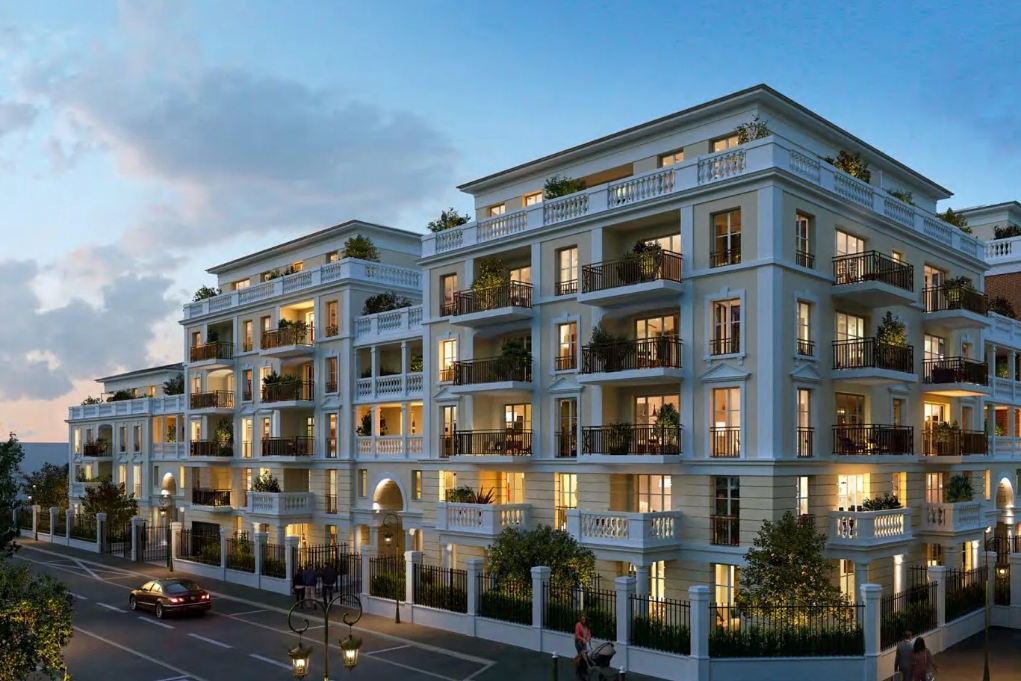
Neighborhoods form the intimate scale of real estate, where individual homes coalesce into living symphonies. Harmony in these microcosms arises from subtle balances—architectural coherence, communal rhythms, and shared spaces that nurture belonging. Without pinpointing particular areas, we explore timeless essentials that underpin thriving residential fabrics, drawing from enduring patterns observed worldwide. These elements transform clusters of properties into cohesive havens, elevating everyday life.
At the core lies visual unity. Streets lined with complementary facades create a soothing continuity, where varied styles blend rather than clash. Real estate patterns favoring proportional scales—neither towering monoliths nor squat outliers—foster this equilibrium. Materials like brick, stone, or timber, chosen for regional resonance, weather gracefully together, evoking stability. Such harmony reassures inhabitants, signaling a collective aesthetic investment that transcends individual tastes.
Functional flow ranks as another essential. Walkable layouts, with homes oriented toward pathways rather than roads, encourage serendipitous encounters. Proximity to everyday nodes—markets, parks, gathering spots—reduces isolation, weaving social threads. Real estate designs incorporating front porches or pocket plazas invite interaction, turning private properties into communal extensions. This fluidity nurtures trust, as neighbors become familiar faces in shared routines.
Green integration breathes vitality into harmony. Trees canopying streets, community gardens dotting blocks, and open lawns provide respite amid density. These natural veins mitigate urban heat, purify air, and spark outdoor pursuits. Properties bordering such oases appreciate not just in value but in livability, as nature softens edges and promotes mental well-being. Essentials here include permeable surfaces and biodiversity, ensuring ecosystems thrive alongside human ones.
Safety perceptions anchor neighborhood essence. Well-lit paths, visible frontages, and mutual vigilance cultivate security without fortification. Real estate emphasizing transparency—open sightlines, ground-level activity—deters unease. Community stewardship, through voluntary upkeep, reinforces this, creating virtuous cycles where cared-for spaces reflect collective pride. Harmony flourishes when residents feel empowered stewards of their shared domain.
Cultural vibrancy infuses soul. Diverse expressions—through murals, festivals, local crafts—enrich the palette without overwhelming uniformity. Homes serving as canvases for subtle personalization add character, while public art nodes celebrate heritage. Real estate patterns supporting mixed demographics foster exchanges, birthing hybrid traditions that deepen roots. This mosaic quality ensures neighborhoods evolve dynamically yet cohesively.
Economic diversity sustains balance. A blend of housing types—apartments, townhouses, single-family units—caters to varied incomes, preventing stratification. Real estate developers prioritizing inclusivity maintain vitality, as mixed economies spark local enterprises. Essentials involve zoning flexibility, allowing evolution from residential cores to hybrid zones with corner cafes or ateliers, all harmonizing with quietude.
Quietude and animation interplay delicately. Noise buffers like berms or evergreen screens preserve peace, while curated events add pulse. Properties designed with acoustic considerations—insulated walls, staggered setbacks—enhance this dance. Harmony emerges when stillness supports rejuvenation and liveliness fuels connection, calibrated to diurnal cycles.
Sustainability cements long-term essentials. Energy-conscious builds, rainwater harvesting, and waste-minimizing layouts future-proof neighborhoods. Real estate incorporating passive solar, shared utilities, and modular expansions adapts to change. These practices bind generations, ensuring harmony endures amid shifting climates and preferences.
Ultimately, neighborhood harmony essentials weave interdependence. Properties, as building blocks, thrive in ensembles where each contributes to the whole. By embracing unity, flow, nature, safety, culture, diversity, balance, and foresight, these realms become sanctuaries of fulfillment. Understanding these patterns empowers appreciation and intentional nurturing of the residential heartbeats that define human settlement.