
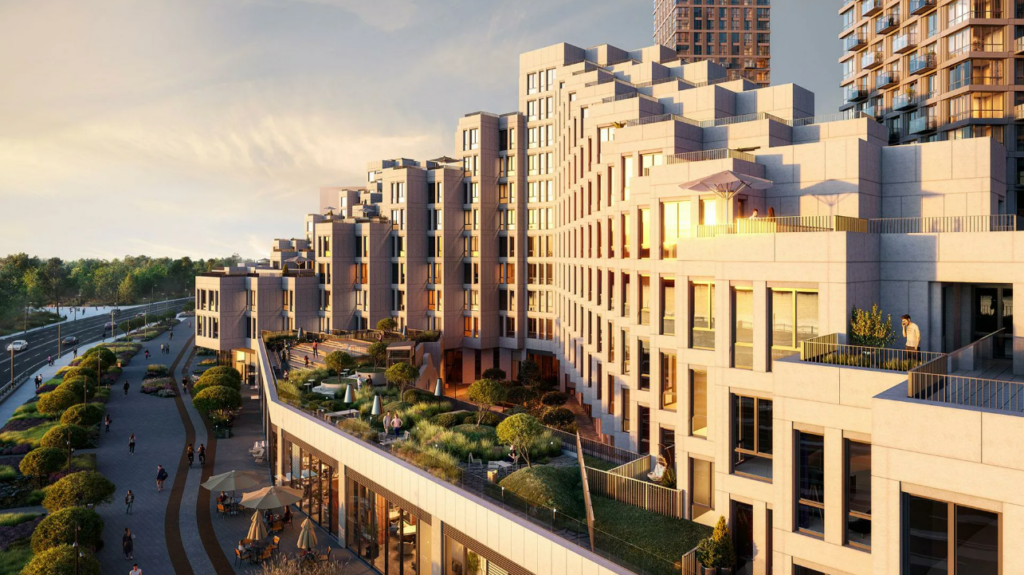
Cities pulse with life, and at the heart of this rhythm lies urban evolution—the gradual transformation of built environments over time. Real estate serves as the physical archive of these changes, where structures adapt to societal needs, technological advances, and environmental pressures. Without delving into specific locales, we can observe broad patterns that have shaped skylines and streetscapes for centuries. These shifts reveal how human ingenuity responds to collective aspirations, turning bare land into thriving habitats.
Consider the early phases of urban growth. In nascent stages, settlements cluster around natural resources like rivers or trade routes, prioritizing functionality over aesthetics. Simple dwellings evolve into organized grids, reflecting a society’s first steps toward communal living. Real estate here acts as a mirror, capturing the transition from nomadic patterns to rooted permanence. As populations swell, vertical expansion emerges, with multi-story buildings maximizing space. This pattern underscores a universal truth: land scarcity drives innovation, birthing the familiar silhouette of high-rises that pierce the horizon.
Technological leaps accelerate these evolutions. The advent of steel framing and elevators in the industrial era allowed structures to soar, redefining possibilities. Real estate patterns shifted from horizontal sprawl to concentrated density, fostering economic hubs. Today, digital connectivity influences designs, integrating smart features for efficiency. Yet, these changes follow cyclical rhythms—periods of bold experimentation followed by refinements. Developers and architects, guided by collective wisdom, balance ambition with practicality, ensuring spaces serve daily rhythms.
Environmental awareness introduces another layer to urban evolution. Patterns now incorporate green corridors, energy-efficient materials, and resilient frameworks against climate variability. Real estate evolves not just upward but sustainably inward, with retrofits transforming old edifices into modern sanctuaries. This reflects a maturing global consciousness, where properties harmonize with nature rather than dominate it. Broad trends show a pivot toward mixed-use developments, blending residences, workspaces, and leisure to minimize commutes and enhance livability.
Social dynamics further mold these patterns. Migration waves reshape neighborhoods, infusing cultural diversity that enriches architectural vocabularies. Real estate adapts by offering flexible interiors, accommodating varied lifestyles from multigenerational homes to minimalist lofts. Inclusivity becomes a hallmark, with designs prioritizing accessibility for all ages and abilities. Over decades, these evolutions foster resilient communities, where properties evolve alongside their inhabitants, weaving social fabrics tighter.
Economic cycles also imprint on urban landscapes. Booms spur expansive builds, while downturns prompt adaptive reuse—warehouses reborn as lofts, factories as cultural venues. Real estate’s elasticity shines here, turning constraints into creativity. Patterns emerge of reinvention, preserving history while injecting vitality. Investors and residents alike benefit from this fluidity, as evolving spaces maintain relevance across eras.
Looking ahead, urban evolution patterns hint at symbiotic futures. Integration of nature—vertical gardens, permeable surfaces—promises healthier ecosystems. Mobility shifts, with shared transport reducing parking dominance, free up ground for communal greens. Real estate will likely emphasize modularity, allowing structures to reconfigure as needs change. These trajectories, rooted in past patterns, suggest a more equitable, adaptive urbanism.
In essence, urban evolution is a tapestry of responses to human endeavor. Real estate, as its enduring thread, chronicles progress while adapting eternally. By studying these broad patterns, we gain appreciation for the forces sculpting our surroundings, inspiring mindful stewardship of tomorrow’s cities.